
How to become a UGC creator in Australia
You don’t need thousands of followers to become a UGC creator
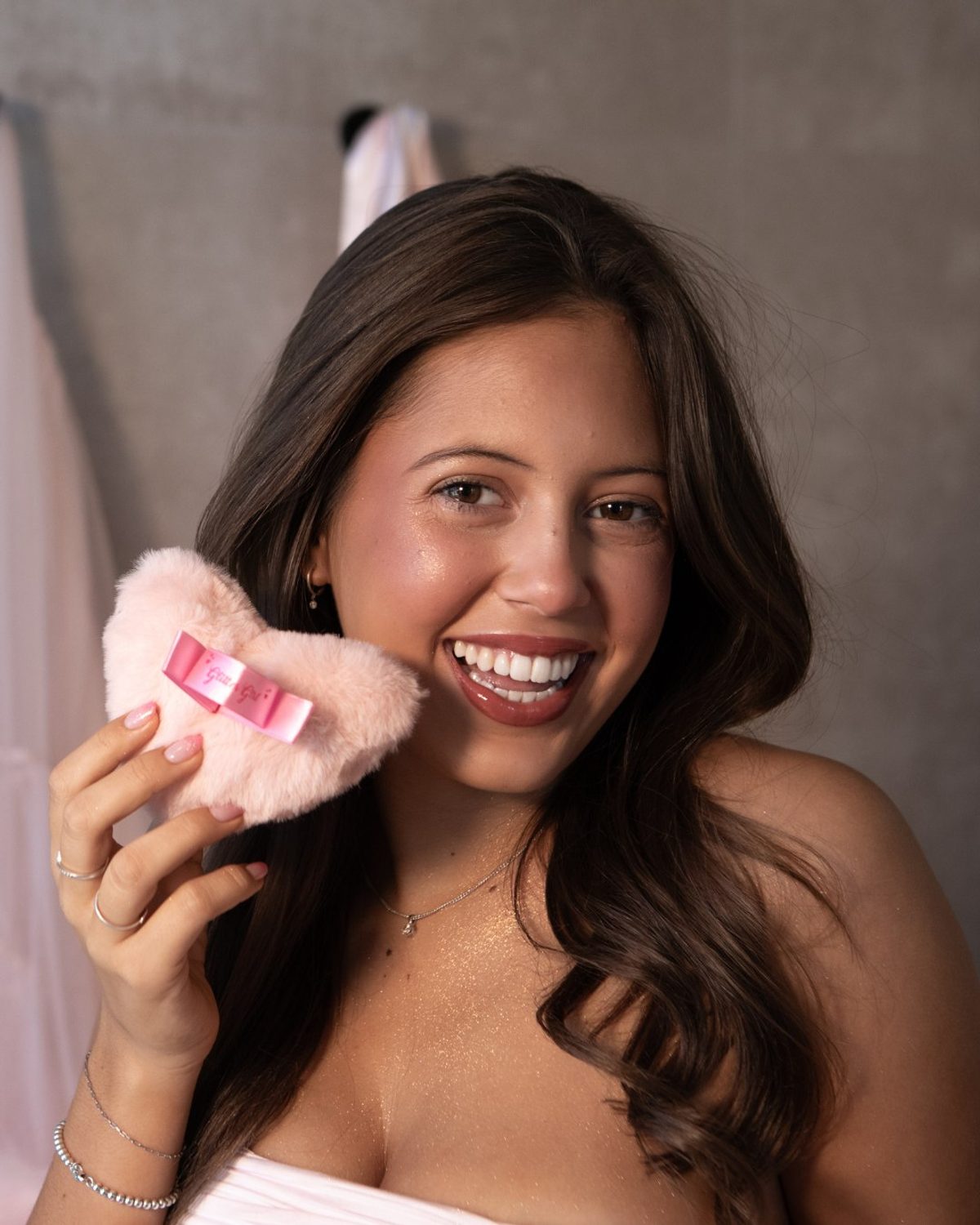
In fact, you don’t really need an audience at all.
Unlike influencer work, where part of your value comes from the people following you, UGC is primarily about the content you create.
Brands need people who can make content that feels natural. People who can speak comfortably to camera, demonstrate a product, tell a story or make something feel believable without it looking like an ad.
And increasingly, they’re paying people to do exactly that.
So if you want to become a UGC creator in Australia, where do you start?
First, what actually is a UGC creator?
UGC stands for user-generated content. Traditionally, that meant content customers created themselves, like reviews, photos, videos and posts about products they genuinely used.
The term has evolved.
Brands now commission creators specifically to make content in that same natural, customer-led style. That could be a product demonstration, a talking-to-camera video, a testimonial-style piece, an unboxing, a voiceover or a day-in-the-life video with a product worked into it.
The creator makes the content, and the brand can then use it across its own social channels, website or advertising, depending on what has been agreed.
That distinction matters.
You’re not necessarily being paid to expose a product to your audience.
You’re being paid to create something.
UGC creator vs influencer
There can be plenty of crossover, but they aren’t quite the same thing.
An influencer usually brings two things to a brand: content and access to an audience. A UGC creator can bring the content without the audience.
That means having 500 followers instead of 50,000 doesn’t automatically make you less useful.
If you’re natural on camera, understand how social content works and can create something a brand wants to use, you already have something valuable to offer.
Some people do both.
You might create UGC for one brand, post sponsored content to your own audience for another and work on a commercial campaign somewhere else entirely.
There doesn’t need to be one label.
You probably already have enough equipment to start
You don’t need a studio, an expensive camera or a collection of creator gear before you’ve made your first video.
A good phone, decent natural light and somewhere relatively quiet can be enough to begin.
What matters more is what happens on screen. Does the opening make you want to keep watching? Do you sound like yourself? Can you explain something clearly? Can you show a product being used without making the whole thing feel forced?
Good UGC often works because it doesn’t feel overly produced.
Learning how to make something simple feel natural is the skill.
Start creating before somebody hires you
You don’t need to wait for a brand to give you permission to become a UGC creator.
Choose a few products you already own and make something with them. Pick things you genuinely understand or use because that makes creating content around them much easier.
Try different formats. Talk directly to camera. Create a product demonstration. Shoot a simple lifestyle video. Add a voiceover. Try opening the same idea in three different ways.
They don’t need to be published.
The point is to start understanding what feels natural to you and what you’re good at making.
These first pieces can also become the beginning of your portfolio.
Build a portfolio that shows what you can do
A brand considering you for UGC doesn’t need to see every video you’ve ever made.
They need enough to understand what you could make for them.
A small portfolio with a handful of strong examples can be much more useful than dozens of videos that all feel the same.
Show some range. If talking to camera is your strength, include it. If you’re good at product shots and editing, show that. If fashion, beauty, food, fitness or lifestyle content feels particularly natural to you, lean into it.
Your portfolio will change as your work gets better.
It doesn’t need to be finished before you start.
Nothing really is.
Work out what kind of UGC suits you
UGC is broader than holding a product up to camera and saying you love it.
There’s lifestyle, fashion, beauty, food, travel, fitness, home, technology, parenting, hospitality, product demonstrations, testimonials, voiceovers, educational content and plenty more.
You don’t necessarily need to choose one niche, especially when you’re starting.
But understanding where you feel believable can make a big difference.
The best person for a piece of content isn’t always the person with the biggest following or the most polished feed.
Sometimes it’s simply the person who feels right for the brand and the idea.
Make yourself easy to discover
Once you have some work to show, people need to be able to find it.
That could mean creating a simple portfolio, using your social channels, contacting brands directly, joining creator communities or building a profile on a talent platform.
Make the basics clear. Where are you based? What kind of content do you create? Are you comfortable talking to camera? Can you edit? Do you have examples of your work? How can someone contact you?
You don’t need to be everywhere.
You just need to make it easy for the right person to understand what you can offer.
Finding your first UGC work
There isn’t one route.
You can approach brands directly, connect with photographers, producers, agencies and creative studios, respond to casting calls or use creator platforms and talent networks.
One job can often lead to another.
The same principle applies here as it does with working independently as a model.
Being discoverable helps.
Being good to work with helps even more.
Reply properly. Understand the brief. Deliver when you say you will. Ask questions when something isn’t clear.
Brands remember creators who make the process easy.
Understand the brief before you start
Before you make anything, understand what you’re actually being asked to deliver.
How many videos? How long should they be? Are you writing the concept or following a brief? Does the brand want raw footage as well as edited content? How many rounds of changes are included?
Then there’s usage.
Where will the content be used? Will it appear organically on the brand’s channels or will they run it as paid advertising? For how long?
These things matter because you’re not only selling the time it takes you to record a video.
You’re creating an asset the brand may continue to use after your part of the job is finished.
Get comfortable asking questions before you agree to the work.
What should a UGC creator charge?
There isn’t one correct UGC rate.
The complexity of the content matters. Your experience matters. The number of deliverables matters. Editing, scripting, raw footage and revisions can matter too.
And usage matters.
A video a local business wants to post organically once is very different from a piece of content a national brand wants to run repeatedly as paid advertising.
When you’re starting out, it can be tempting to accept anything just to get experience. There can be value in that sometimes.
But getting experience and giving commercial work away are not quite the same thing.
Learn what you’re providing before you decide what it’s worth.
Usage rights matter
This is one of the less visible parts of UGC when you’re starting out.
A brand paying you to create a video doesn’t necessarily mean every possible use of that content should be included forever.
Content used organically on social media is one thing. Content used in paid advertising is another. So are extended usage, exclusivity, raw footage and allowing a brand to use your image across different channels.
You don’t need to become a licensing expert before accepting your first job.
But you should know where your work is going to appear, how it will be used and for how long.
That conversation is part of the job.
Treat it like creative work
UGC can look casual.
That doesn’t mean the work behind it should be.
Read the brief. Meet deadlines. Communicate clearly. Keep your files organised. Understand what you’re delivering. Invoice properly. Keep records.
And remember that you’re working with your own image and voice as well as the content you’re creating.
The people who build sustainable careers tend to be the people others want to work with again.
That matters much more than making one video go viral.
You don’t have to be just a UGC creator
This is where things get interesting.
Creative careers aren’t always as neatly separated as the labels make them sound.
Someone creating UGC might also model. A model might act. An actor might present. A dancer might work on a commercial campaign.
Someone who has never thought of themselves as a model might be exactly who a brand wants in front of the camera.
The skills cross over.
And as brands look for more natural, interesting and believable people to appear in their work, those lines will probably continue to blur.
You don’t need to decide what you are before you’ve had the chance to discover what you’re good at.
Can you build a career creating UGC?
Yes.
But the opportunity is bigger than becoming good at filming videos on your phone.
It’s learning how to create work people want, understanding what brands need, building relationships, getting better, knowing what your work is worth and making yourself visible enough for the right opportunities to find you.
EMRGED was built for models and UGC creators, whether you're freelance or agency represented.
We’re building a curated network where brands, photographers, studios and production teams can discover talent directly.
A place to build what you’re doing without having to fit neatly into one box.